Resources / Case studies

Case studies

Three pieces of real work, told as business stories rather than legal ones. Names, locations and some details have been changed to preserve client confidentiality.

An owner at ease in their own business

Case study 01 — Transition

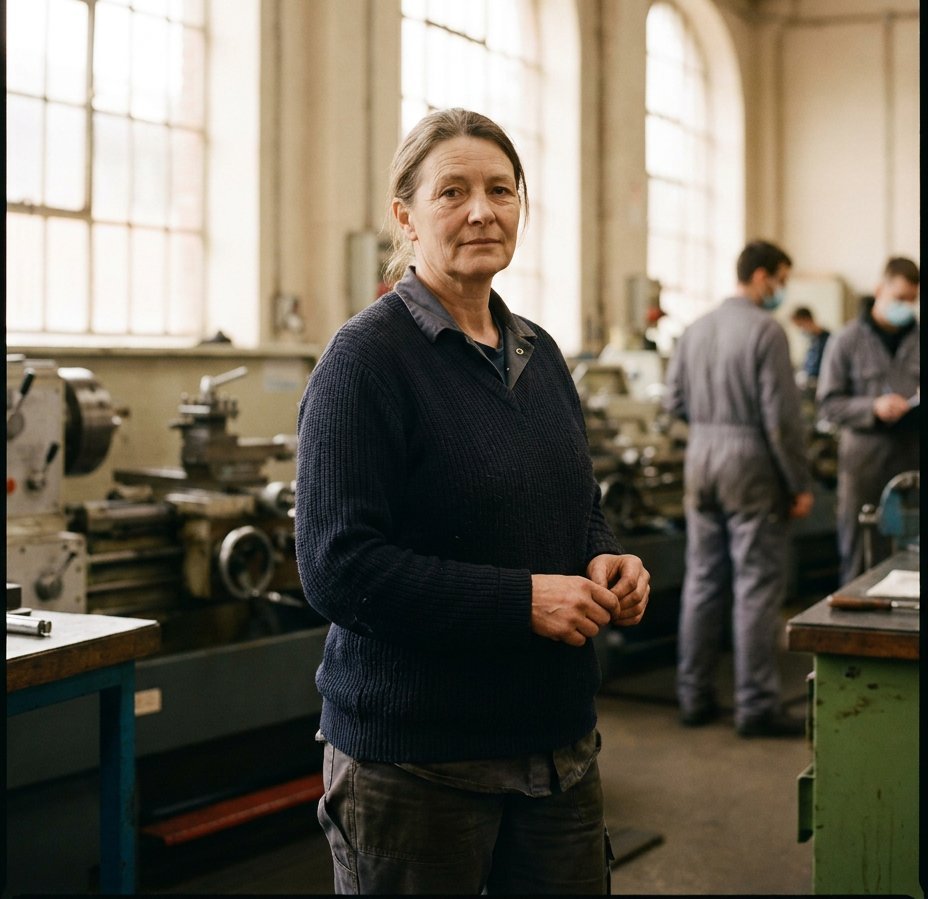
The engineering firm with two offers on the table

Precision engineering·~85 employees·North of England

Background

A second-generation precision engineering business, profitable for as long as anyone could remember, supplying a stable base of aerospace and medical customers. The managing director — son of the founder — was 61, with no third generation interested in the business.

Challenge

A trade consolidator had made an unsolicited offer, and it was a good one. But the consolidator's previous acquisitions in the sector had followed a pattern: two years of continuity, then consolidation into a larger site sixty miles away. The MD was candid that the price attracted him and the aftermath appalled him. His accountant suggested he speak to us before responding.

Options considered

We compared four routes properly: accepting the trade offer; running a wider sale process to test the price; a management buyout led by the operations director; and a sale to an Employee Ownership Trust. The MBO fell away quickly — the two capable senior managers had neither the appetite nor the means to borrow personally. The real comparison was the trade offer against an EOT at independently assessed market value: roughly 15% less on the headline, tax-treated far better, and paid over five years rather than mostly upfront.

Our advice

We advised that the business was well suited to employee ownership — dependable cash generation, genuine second-tier leadership, and a workforce with long service and evident loyalty — but only if the MD accepted two conditions. First, a price the business could pay in bad years, not just good ones. Second, a real handover: the operations director to become managing director within eighteen months, with the departing MD moving to a defined, part-time chairman role.

Implementation

We project-managed the transaction over five months: affordability modelling on deliberately cautious forecasts, HMRC clearances, a trustee board of an employee-elected trustee, a company-appointed trustee and an independent, and the legal documentation completed alongside a regulated law firm. The announcement to employees was planned as carefully as the completion — including a written plain-English guide to what the trust was and what it meant for them.

Outcome

The deferred consideration was paid down a year ahead of schedule. The operations director became MD on the agreed date. Tax-free profit-share bonuses began in year two, and the trustee board — which we continued to support through its first annual cycle — now runs to a rhythm that needs us rarely. The consolidator bought a competitor instead.

Case study 02 — Technical advice

The practice that became employee-owned, then got stuck

Architecture practice·~40 employees·London

Background

An architecture practice that had transitioned to an EOT three years earlier, advised by a well-regarded law firm for which employee ownership was occasional work. The transaction itself was sound. What came after it was not.

Challenge

The trustee board had met twice in three years. The employee trustee did not know what the role required and had been given nothing to help. The founders — still directors, still owed deferred consideration — were effectively deciding everything, including matters the trust deed reserved to the trustees. None of this was malicious; nobody had told anyone how the structure was supposed to breathe. It surfaced the way these things do: a talented associate resigned, saying the employee ownership "didn't seem to mean anything," and the founders realised she was right.

Options considered

The practice initially asked us to "redo the documents." We advised against starting there: the deed was adequate. The failure was governance practice, not governance drafting — and rewriting documents nobody was following would change nothing. The genuine options were a light-touch reset of how the boards worked, or a fuller redesign including an independent trustee. Given the deferred consideration conflict sitting unmanaged in the middle of the structure, we recommended the fuller version.

Our advice

A working trustee board with a calendar, an information protocol with the company board, training and support for the employee trustee, explicit management of the founders' conflict of interest, and an independent trustee to anchor it — plus one deed amendment where the original drafting had left trustee appointments circular.

Implementation

Three months of unglamorous work: a governance review, two boards inducted properly in the same room, the deed amendment handled alongside a regulated law firm, and the practice's first genuine annual report to its employee owners. We stayed retained for the first year of the new rhythm.

Outcome

The trustee board now meets quarterly and would pass most of our annual checklist. Profit share has been explained, not just paid. The founders describe the reset — their words — as "the second half of the transaction we thought we'd already done." A significant share of our work arrives exactly this way, after another adviser's transaction; the practice now refers others to us.

Case study 03 — Independent trustee

The manufacturer whose founder finally left

Food manufacturing·~150 employees·Scotland

Background

A food manufacturer, employee-owned for six years and a genuine success: vendor fully repaid, profit share established, growth steady. The founder had remained chair of trustees since the transition — a stabilising presence in the early years, and by his own admission, increasingly the person every difficult question deferred to.

Challenge

The founder wanted to retire completely, and honestly. His departure would remove not just a trustee but the trustee board's entire reserve of commercial experience — leaving an employee trustee, a finance director trustee, and a large strategic question arriving within the year: whether to fund a second production site from retained profits or external debt.

Options considered

The board considered promoting from within the workforce, appointing a local businessperson known to the company, or appointing a professional independent trustee with employee ownership experience. They interviewed for all three in parallel — which we encouraged, since the comparison itself clarified what the role needed: not a figurehead and not a friend of the firm, but someone who had sat in EOT trustee rooms before and knew what good looked like.

Our advice

This engagement was not advice followed by exit; it was the appointment itself. Andrew Harrison joined as independent Chair of Trustees for an initial three-year term, with the expectations written down on both sides: quarterly meetings, an annual joint session with the company board, availability between meetings, and a review at the end of the term.

Implementation

The first year concentrated on transferring habits, not just authority: agendas that put company performance before administrative business, the expansion decision worked through with proper papers and a recorded rationale, and the employee trustees encouraged — sometimes obliged — to speak first.

Outcome

The second site was funded through a blend of retained profit and a modest term loan, on a plan the trustee board can defend to any employee who asks. The founder attends the summer barbecue and nothing else, which he reports is exactly the retirement he wanted. The board has since re-appointed for a further term.

Every business here started with a conversation

If any of these situations sounds like yours, the next step is the same one they took.

Get in touch